We’ve all been there. You buy a gorgeous bunch of ugu, a bag of spinach, or a fistful of fresh scent leaves, full of good intentions, only to open the fridge a few days later and find a sad, slimy mess staring back at you. Sound familiar? No worries, this how to store leafy vegetables will solve that.
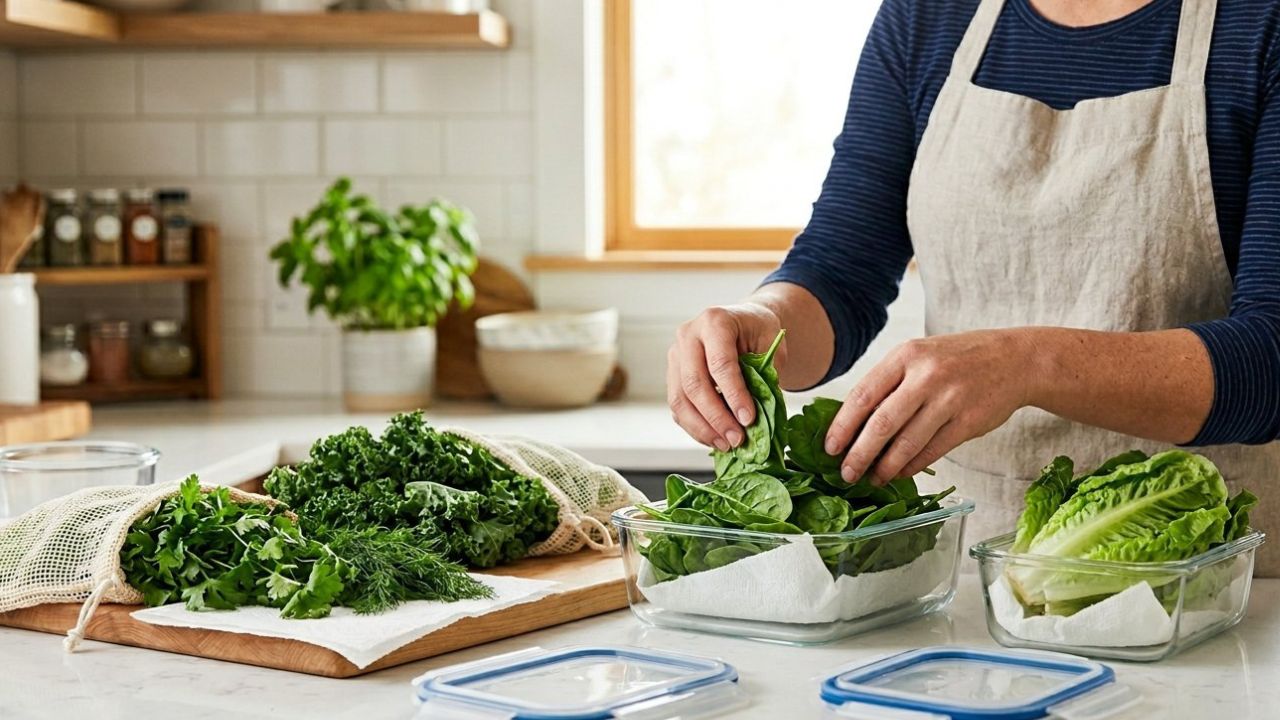
Here is the truth: it is not your fault. Nobody teaches us how to store leafy vegetables properly. We toss them in the fridge and hope for the best. That is exactly why we are diving into this guide together. By the end, you will store greens like a pro.
Leafy vegetables rank among the most nutritious foods you can eat. They are also some of the most delicate. The good news? A little know-how goes a long way. With the right techniques, you can keep your greens fresh, crisp, and ready to use for days, sometimes even weeks, longer than you expect.
Why Proper Storage of Leafy Vegetables Matters
Let’s be real, leafy vegetables are some of the most nutritious foods you can eat, but they’re also among the most fragile. Unlike a yam or a bag of rice that can sit comfortably in your pantry for weeks, leafy greens like spinach, ugu, lettuce, and scent leaves start losing their freshness almost the moment they leave the farm. How you store them from that point on makes all the difference.
The way you store your greens is just as important as choosing fresh ones in the first place.
Why it really matters
Here are the core reasons storing your leafy vegetables correctly is a habit worth building:
Preserves nutrients
Leafy greens are packed with vitamins A, C, K, iron, and folate. Poor storage accelerates nutrient loss, meaning you eat less of the good stuff even when the leaf still looks okay.
Saves your money
Every wilted bunch you throw away is money in the bin. Storing greens well stretches your grocery budget and means fewer last-minute market runs.
Saves you time
When your greens stay fresh longer, you can prep ahead and reach for them whenever you need, no daily dashes to the market required.
Reduces food waste
Food waste is a bigger environmental and economic issue than most people realise. Keeping your vegetables fresh longer is one of the simplest ways to do your bit.
What happens when you store them wrong
Improper storage doesn’t just make your greens look bad; it sets off a chain of events that affects the food, your health, and your wallet. Here’s what’s really going on when those leaves start to go:
Spoilage
Excess moisture trapped in the leaves creates the perfect environment for bacteria and mould to thrive. That slimy, darkened mess you find a few days later? That’s spoilage in action, and once it starts, it spreads fast to neighbouring leaves.
Nutrient loss
Heat, light, and air are the enemies of vitamins. Leafy greens stored at the wrong temperature or left exposed can lose a significant portion of their vitamin C and folate content within just 24–48 hours, even if they still look relatively fine on the outside.
Wilting & texture damage
Without the right humidity balance, greens lose moisture rapidly. The result is limp, rubbery leaves that no longer have that satisfying crunch, and vegetables meant for a fresh salad that end up unappetizing and unusable.
Food & money waste
Studies suggest that poor storage is one of the leading causes of household food waste. When greens spoil before use, you lose the food, the money you spent, and all the resources, water, labour, and transport that went into growing and delivering them.
Health risks
Eating greens that have begun to rot, even partially, can expose you to harmful bacteria. Wilted or discoloured leaves aren’t just unpleasant; in some cases, they can genuinely make you sick. When in doubt, throw it out.
Prepare Leafy Vegetables Before Storage
So you’ve just come back from the market with a fresh bundle of ugu, a bag of spinach, or a handful of parsley. Before you shove it straight into the fridge, stop! What you do in the next five to ten minutes will determine whether those greens last two days or a whole week. Preparation is the secret step most people skip, and learning how to store leafy vegetables makes all the difference.
Your fridge preserves whatever you put in, so make sure what goes in is already in the best shape possible.
Sorting and removing damaged leaves
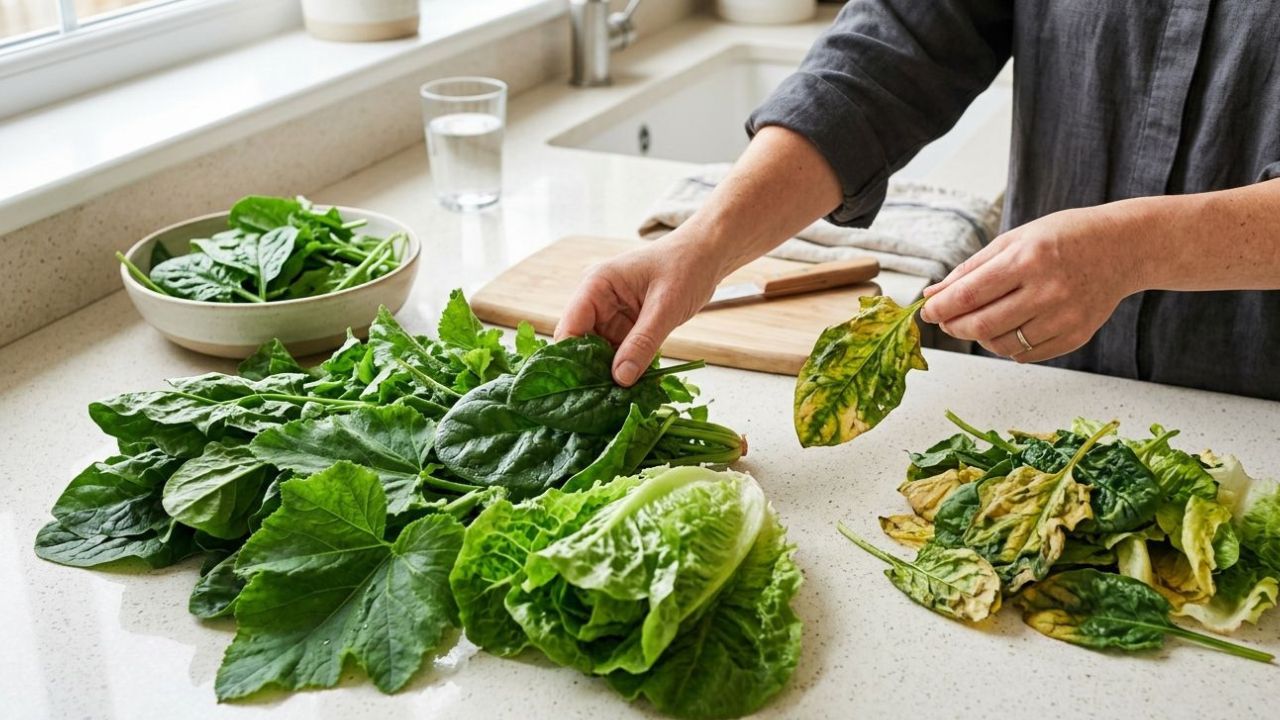
The first thing to do when you get your greens home is sort through them carefully. This step feels small, but it’s incredibly important. One bruised, yellowing, or rotting leaf in a bunch will release gases and moisture that accelerate the deterioration of the other leaves around it. Think of it as removing one bad apple from the barrel.
Spread the leaves out on a flat surface
Remove yellowed, wilted, or slimy leaves
Trim tough or bruised stems
Separate leaves loosely
Drying thoroughly to prevent moisture build up
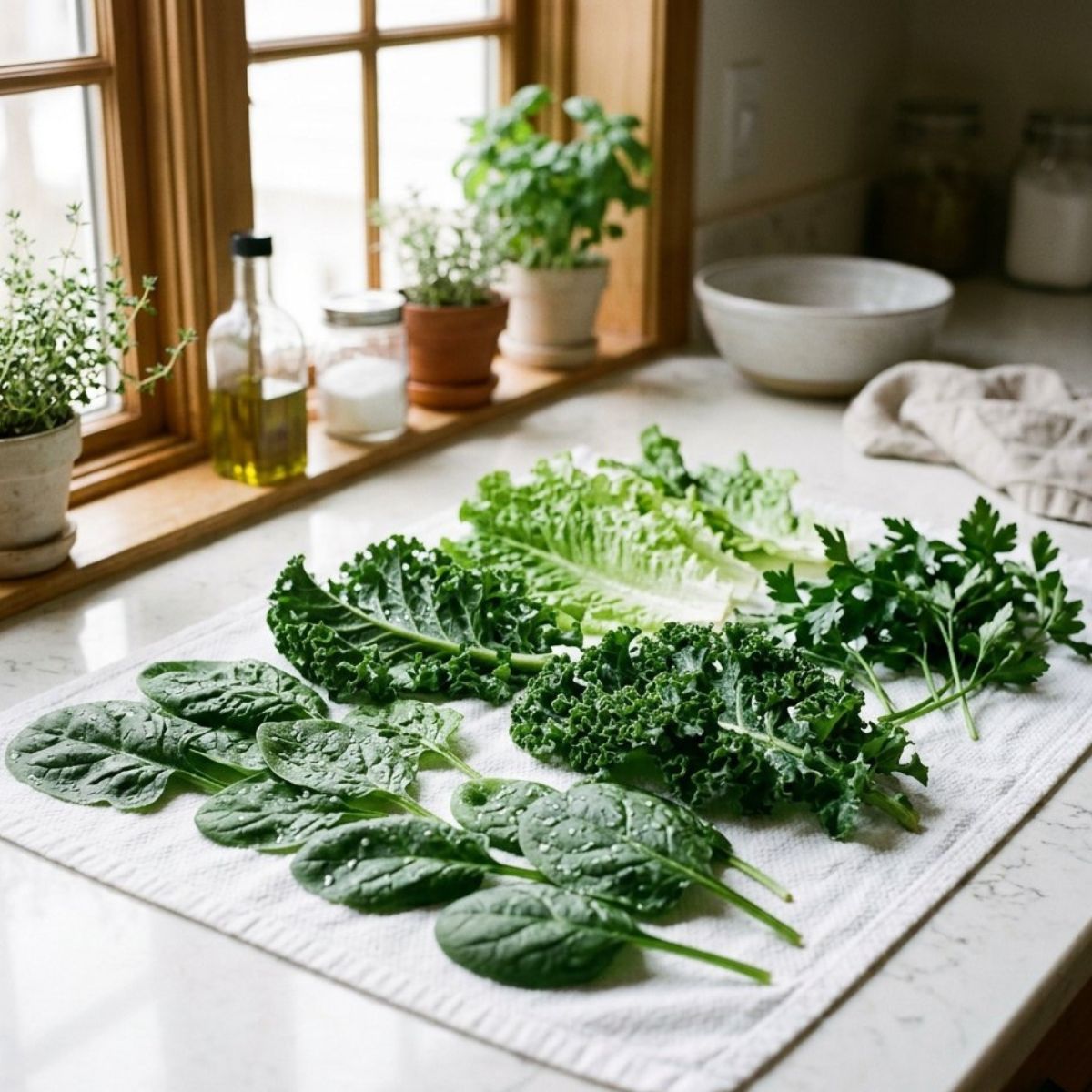
If sorting is step one in how to store leafy vegetables, then drying is step two, and honestly, it might be the most important step of all. Moisture is the number one enemy of stored leafy vegetables. Water sitting on leaves creates the perfect breeding ground for bacteria and mould, causing greens to turn slimy and rot far sooner than they should.
Salad spinner
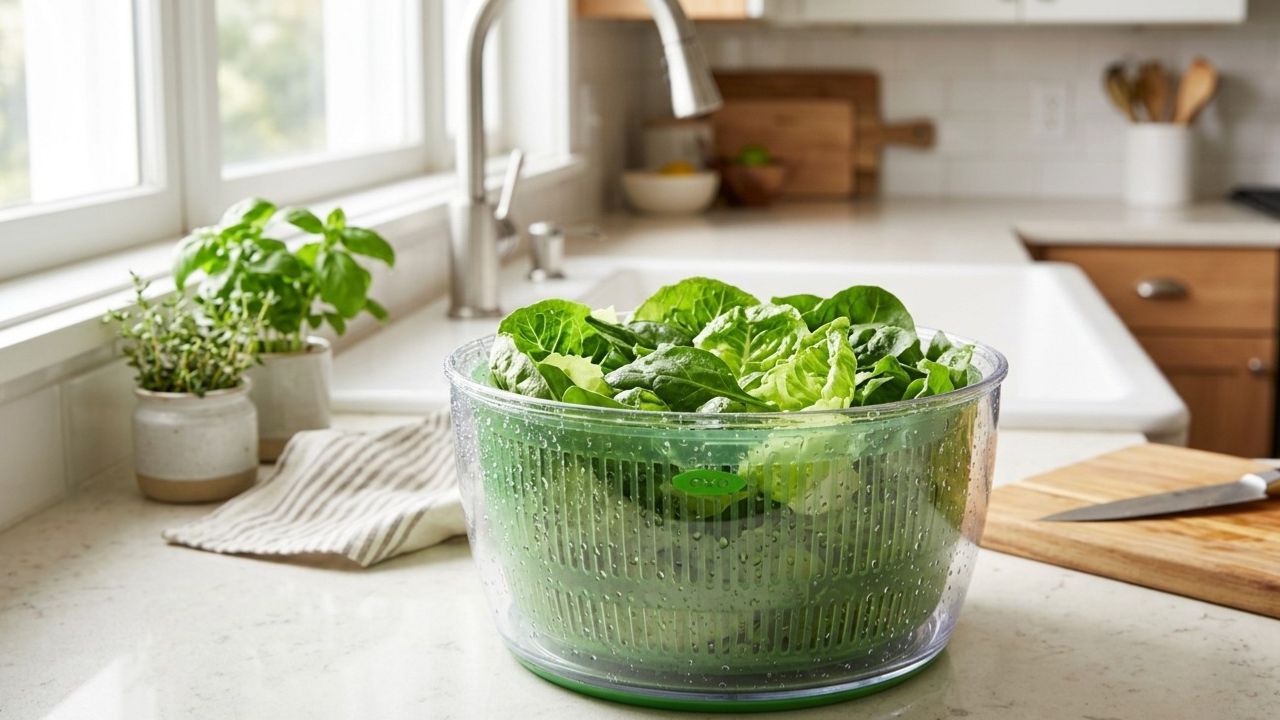
The fastest and most effective method for loose leaves like spinach, lettuce, and salad greens. A few spins remove most of the surface water in seconds. Best for loose leaves
Paper towels or a clean cloth
Gently pat leaves dry or lay them on a clean kitchen towel and blot. Works well for delicate herbs like scent leaves, basil, and parsley that can bruise easily. Best for herbs
Air drying on a rack
Spread washed leaves in a single layer on a drying rack or clean surface and allow air to circulate for 10–15 minutes. Ideal for heartier greens like kale and ugu. Best for thick leaves
Do this
Avoid this
Best Storage Methods for Different Leafy Vegetables
Different leafy vegetables have different needs. Storing them all the same way is one of the biggest reasons greens go bad early. Here’s exactly what each one needs to stay fresh for as long as possible.
Storage by vegetable
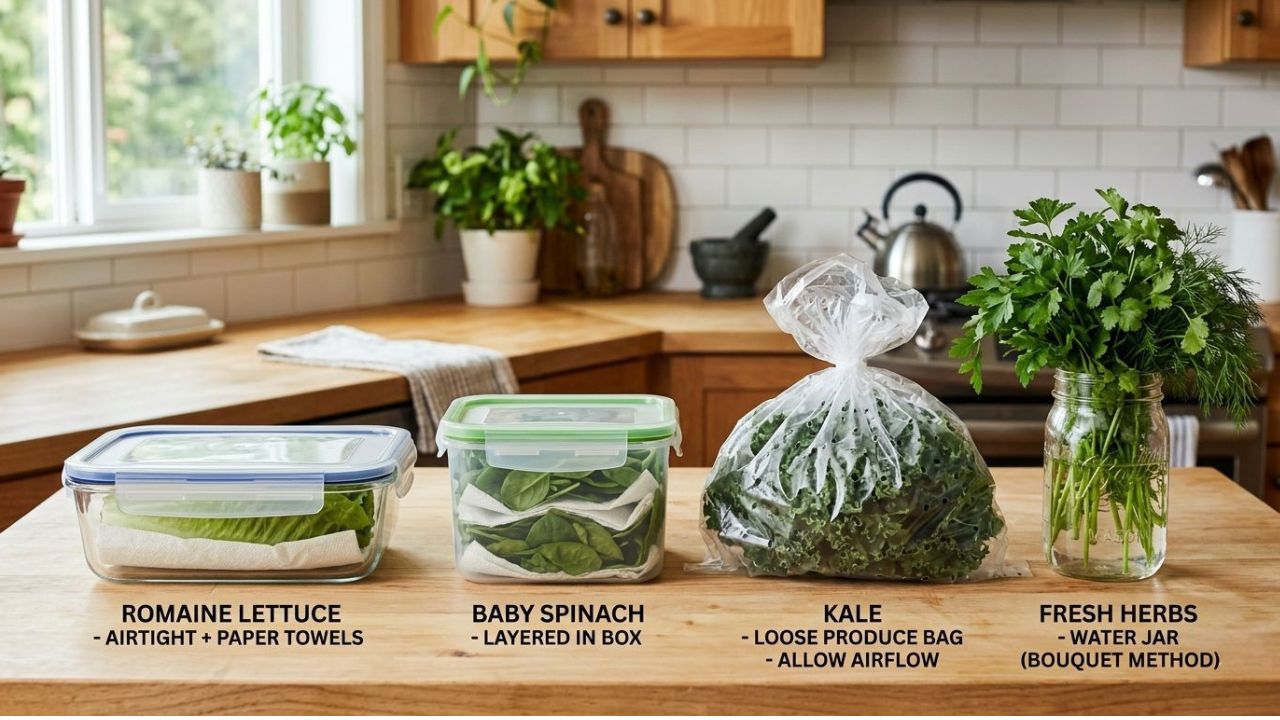
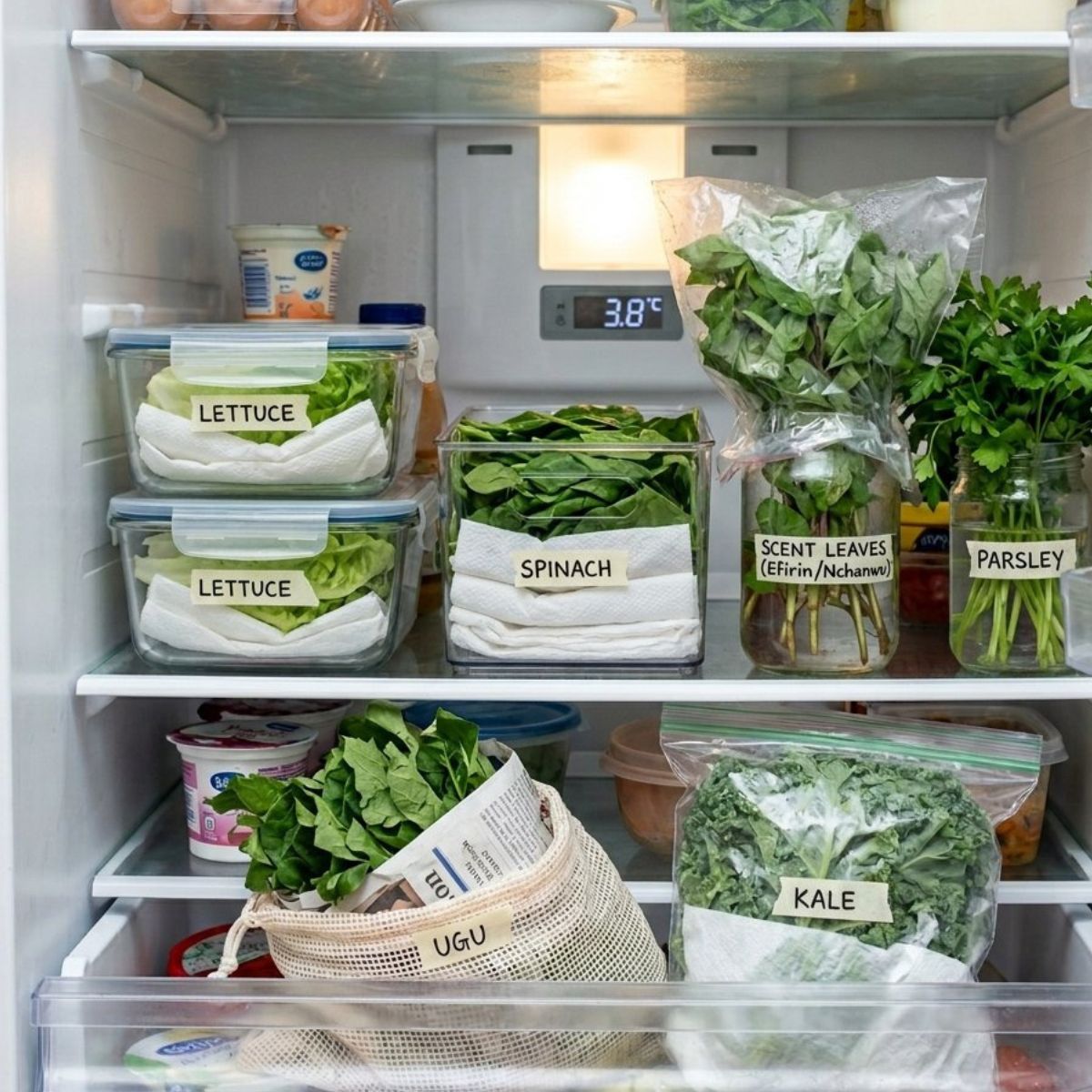
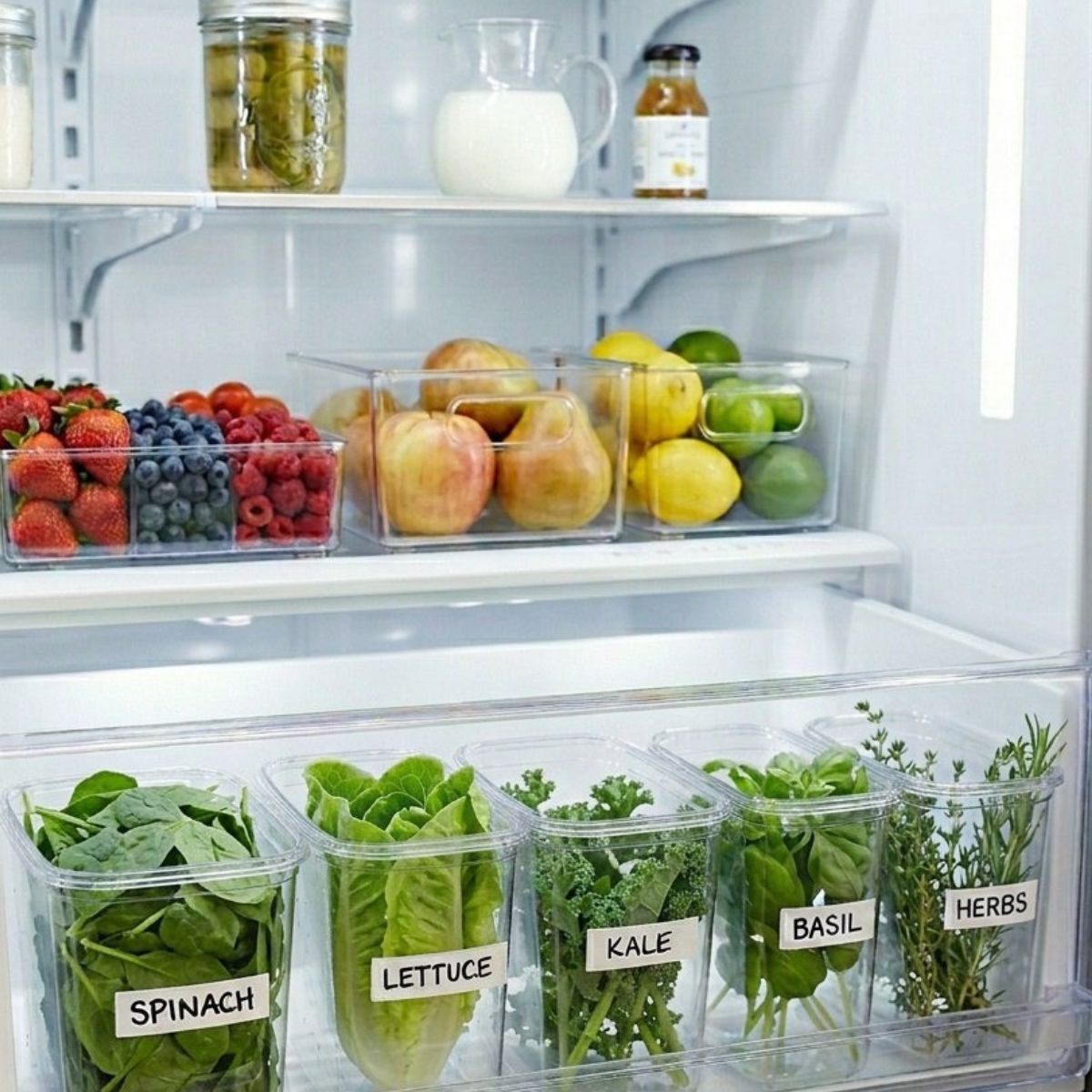
Lettuce: Wrap in a dry paper towel and store in an airtight container in the crisper drawer. Keeps for 5–7 days.
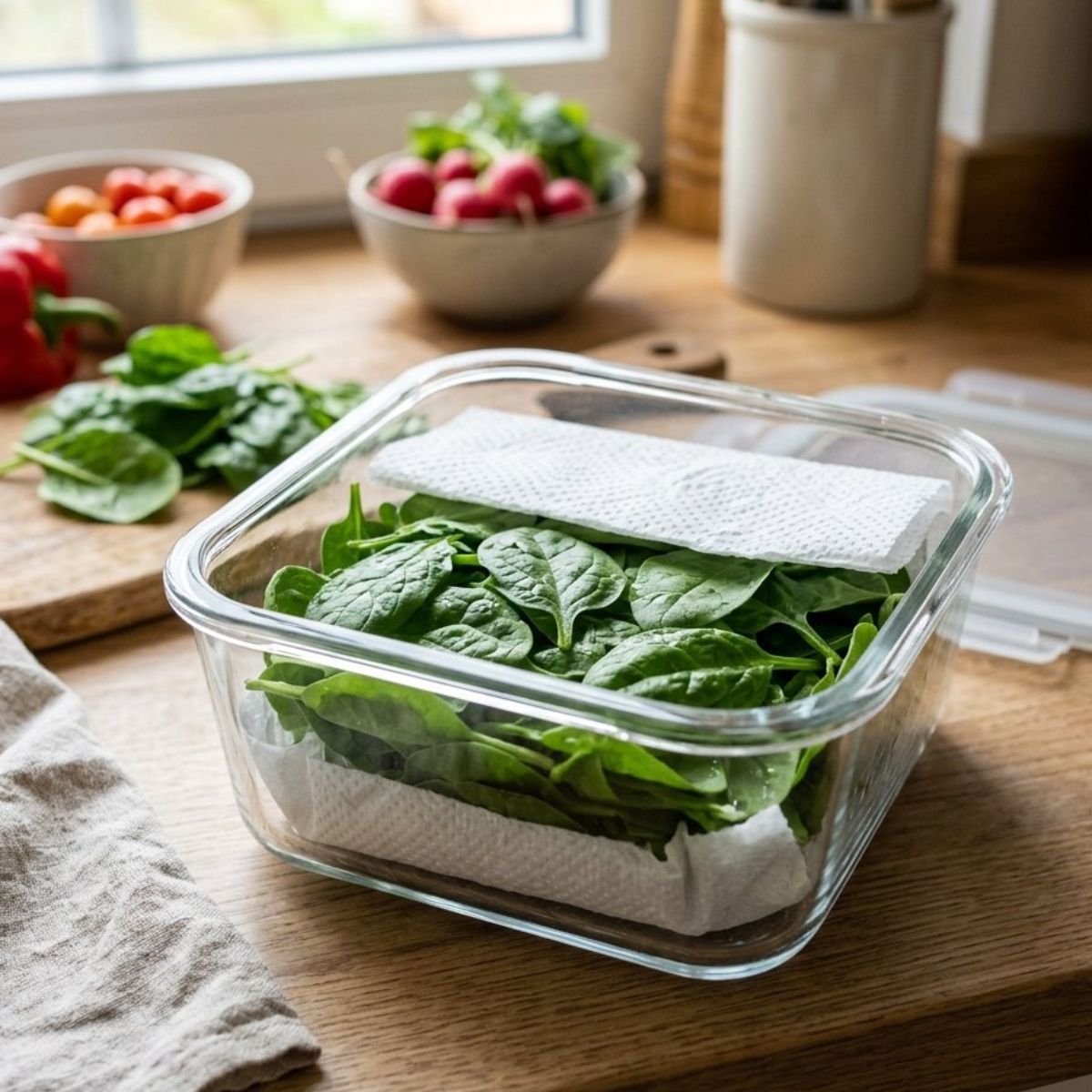
Spinach: Do not wash before storing. Layer dry leaves between paper towels, top and bottom, inside a container. Keeps for 5–7 days unwashed, 2–3 days once washed.
Kale: Wrap in a slightly damp (not wet) paper towel and place in a loosely sealed bag. Kale needs a touch of humidity to stay tender. Keeps for 5–10 days.
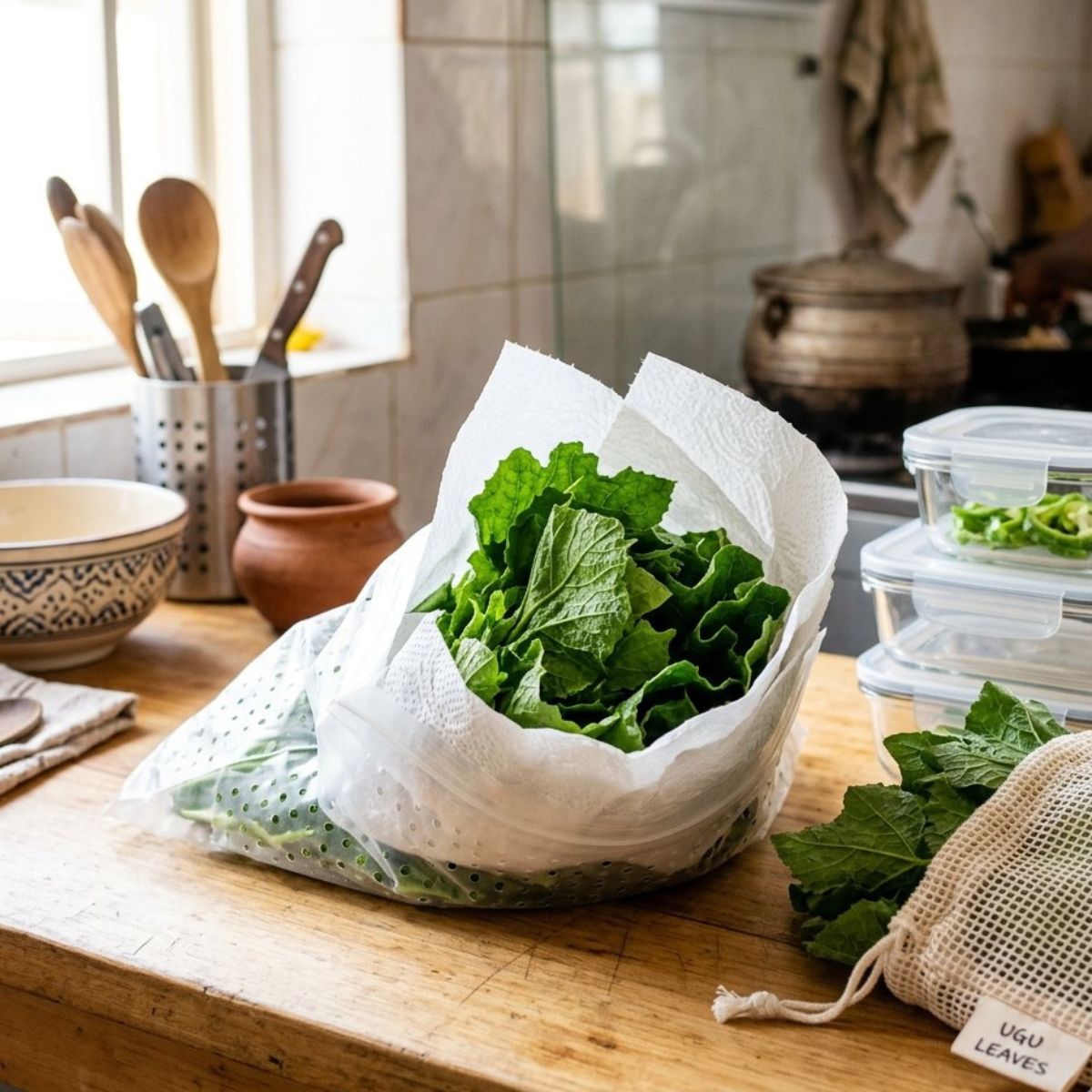
Ugu (Fluted Pumpkin Leaves): Wrap in newspaper or paper towel and store in a perforated or loosely sealed bag; ugu needs airflow. Avoid sealing it airtight, or it will yellow quickly. Keeps for 3–5 days in the fridge, 1–2 days at room temperature.
Scent Leaves (Efirin / Nchanwu): Trim the stem ends and stand upright in a small jar with a little water, like a bouquet. Cover loosely with a plastic bag and keep in the fridge or on the counter. Keeps for 5–7 days in water.
Parsley: Trim the stems and store upright in a jar of water in the fridge. Change the water every two days. Make sure only the stems are submerged; wet leaves will still rot. Keeps for 1–2 weeks.
Paper towels, containers & bags
Fridge tips to remember
Common Mistakes That Cause Leafy Vegetables to Spoil Quickly
You bought the right vegetables. You even sorted them and put them in the fridge. But a few days later, slime, yellowing, and that unmistakable sad-vegetable smell. Sound familiar? The problem is almost never the vegetables themselves. It’s the small, easy-to-fix habits that quietly sabotage your storage every single time.
Storing wet leaves
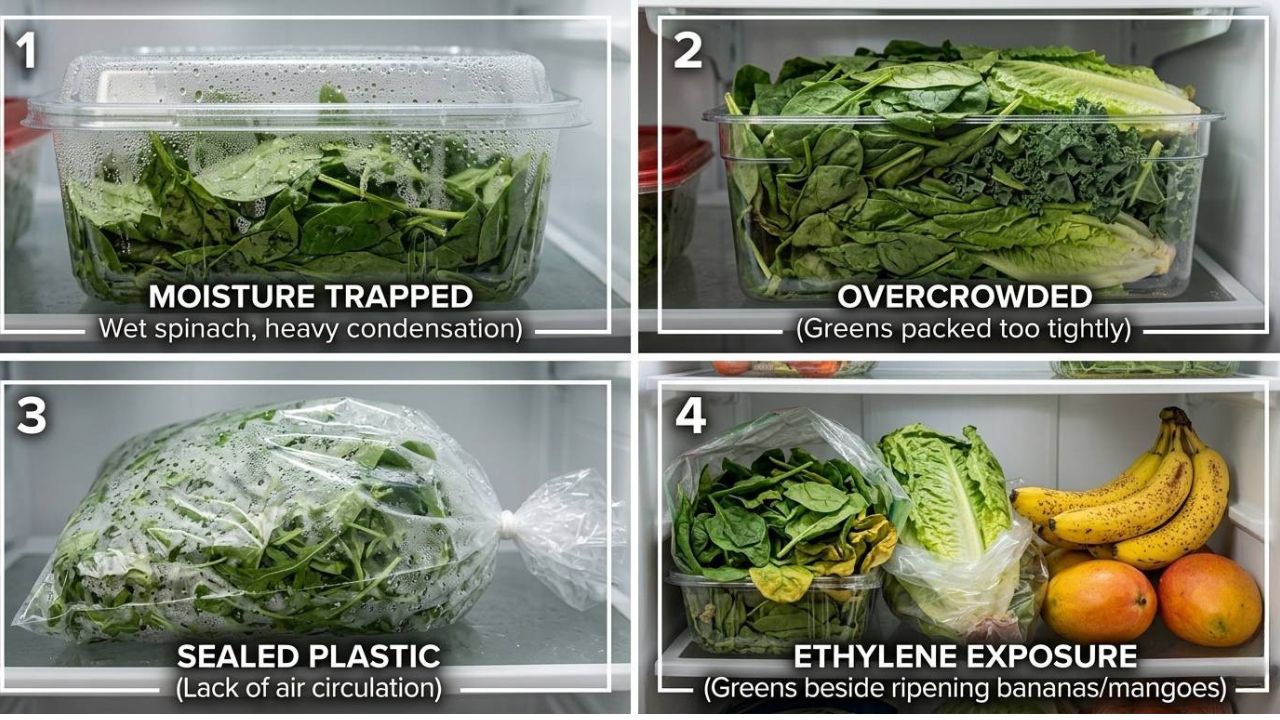
This is the single most common mistake, and the most damaging. When wet leaves are sealed into a bag or container, the trapped moisture has nowhere to go. It settles on the leaf surface, creating a warm, damp environment where bacteria and mould multiply rapidly. What started as fresh spinach becomes a slimy, unpleasant mess within 24 to 48 hours.
This happens more often than you’d think, not just after washing, but also from natural surface moisture on freshly bought greens, condensation inside the fridge, or simply from humid weather. Even a little dampness is enough to start the spoilage process. If you do not know how to store leafy vegetables properly, spoilage is inevitable
Overcrowding containers
More greens in one container feels efficient, but it’s actually working against you. When leaves are packed tightly together, heat gets trapped between them, airflow is blocked, and the leaves in the middle bruise under the weight of those on top. Bruised cells break down faster, releasing moisture that then spreads to the surrounding leaves.
This is especially common after a big market run when you’re trying to fit everything into one container to save space. The result is that all your greens deteriorate at the same time instead of staying fresh in batches.
Using sealed bags without airflow
Sealing greens in an airtight bag seems logical: keep the air out, keep it fresh. But for many leafy vegetables, especially heartier ones like ugu, kale, and garden egg leaves, a fully sealed bag actually accelerates spoilage. These greens continue to respire (breathe) after harvest, releasing carbon dioxide and heat. With no airflow, that gas and heat build up inside the bag, speeding up the breakdown.
You’ll notice the signs, leaves turning yellow, a slightly fermented smell, and soft patches appearing much sooner than expected. A bag that looks perfectly sealed is sometimes the problem, not the solution.
Keeping vegetables in the wrong fridge compartment
Not all parts of your fridge are created equal. The temperature and humidity vary significantly depending on where you place food, and putting your greens in the wrong spot is a fast track to wilting, freezing, or early spoilage. The fridge door, for example, is the warmest and most temperature-unstable area; every time the door opens, that section warms up. The back of the fridge is the coldest, and delicate leaves stored there can freeze and turn mushy overnight.
Another common error is storing greens on the same shelf as ethylene-producing fruits like mangoes, apples, and bananas. These fruits give off a natural gas that tells nearby produce to ripen, and then over-ripen, much faster than normal.
How to Tell If Leafy Vegetables Are Still Fresh
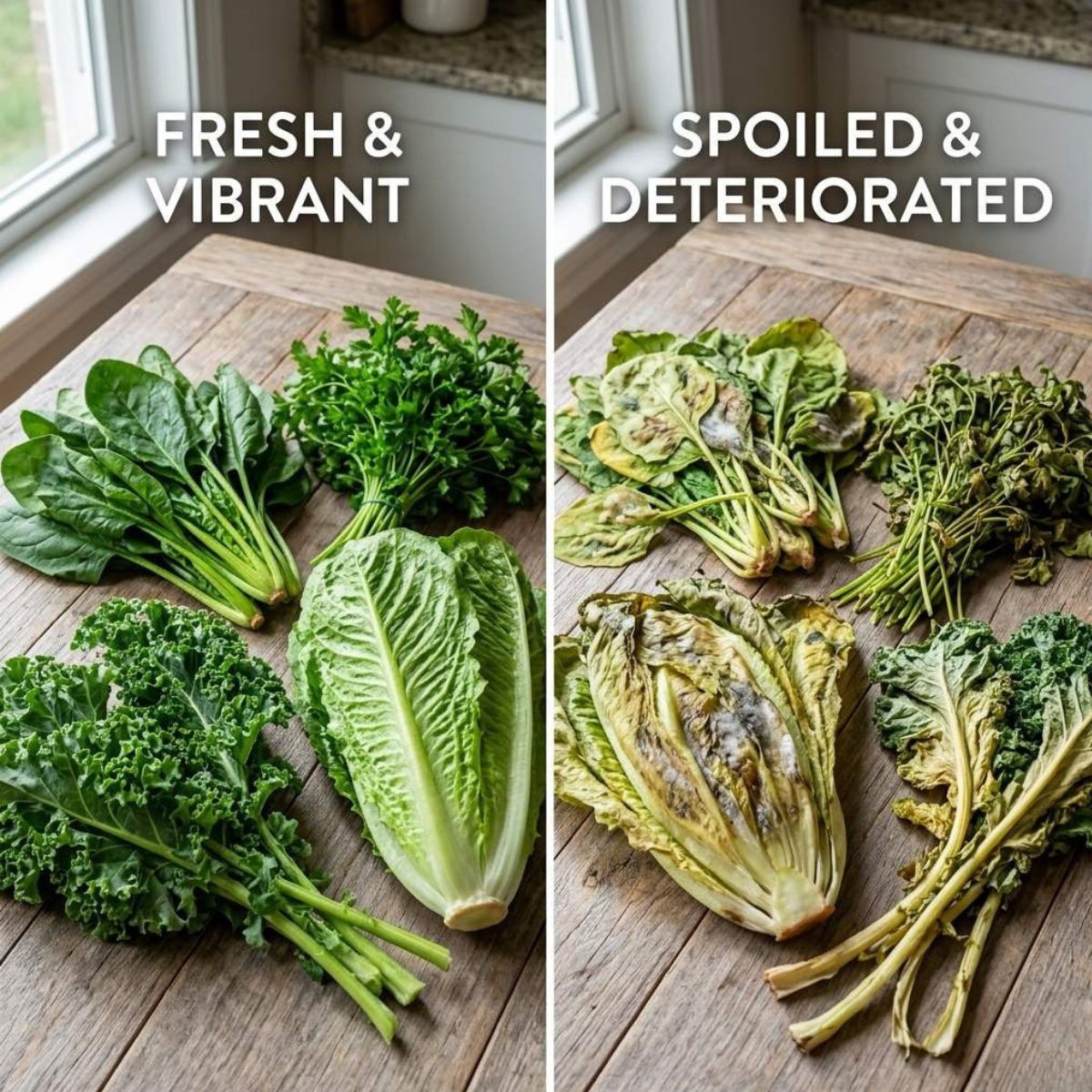
Even with a perfect idea of how to store leafy vegetables, they don’t last forever. Knowing how to quickly check whether your greens are still good saves you from cooking with spoiled produce or throwing away leaves that are actually perfectly fine. It only takes a few seconds once you know what to look for.
Signs of freshness vs spoilage
Still fresh
Going bad
When to discard
Some greens can be partially salvaged; remove the bad leaves and keep the rest. But in these cases, discard the whole bunch without hesitation:
How do I keep leafy vegetables fresh longer?
Dry your leaves thoroughly before storing, remove any damaged leaves, and place them in an airtight container lined with paper towels. Store in the crisper drawer of your fridge and keep them away from fruits like apples and mangoes that speed up spoilage.
Which vegetables cannot be stored in the fridge?
Some vegetables actually do better outside the fridge. These include tomatoes, onions, garlic, potatoes, yams, and plantains. Cold temperatures can alter their texture, flavour, and ripening process. Store these in a cool, dry, well-ventilated spot in your kitchen instead.
What is the best way to store leafy green vegetables?
This is how to store leafy vegetables: sort out damaged leaves, dry them completely, then wrap loosely in a paper towel and place in an airtight container or loosely sealed bag. Keep them in the crisper drawer at a temperature between 1°C and 4°C. Different greens have slightly different needs; herbs like parsley and scent leaves do best stored upright in a small jar of water.
How do I preserve ugu leaves?
This is how to store leafy vegetables like Ugu. Sort through the leaves and remove any damaged ones. Dry them thoroughly, ugu holds moisture easily. Wrap in newspaper or paper towels and store in a perforated or loosely sealed bag in the crisper drawer. Avoid sealing ugu completely airtight, as it needs airflow to stay fresh. Properly stored, it lasts 3–5 days in the fridge. For longer preservation, blanch and freeze the leaves; they can last up to 3 months in the freezer.
Does a paper towel help keep lettuce fresh?
Yes, absolutely. A paper towel absorbs excess moisture that would otherwise sit on the leaves and cause them to become slimy. Place one paper towel at the bottom and one on top of your lettuce before sealing the container. Replace it when it becomes visibly wet. This simple trick alone can extend the life of your lettuce by several days.
How do I store vegetables for 6 months?
For that kind of shelf life, freezing is your best option. Blanch your vegetables first, briefly boil them for 1–3 minutes, then immediately transfer to ice-cold water to stop the cooking process. Pat dry, portion into freezer bags, remove as much air as possible, and freeze. Most leafy vegetables, including ugu, spinach, and kale, can last up to 3–6 months in the freezer this way.
What two vegetables should not be stored together?
The most important pairing to avoid is leafy greens stored near ethylene-producing fruits and vegetables. Cucumbers, lettuce, and spinach should never be stored next to apples, mangoes, or tomatoes; the ethylene gas these fruits release causes nearby greens to yellow and spoil much faster. Also, avoid storing onions and potatoes together; onions release moisture and gases that cause potatoes to sprout and rot quickly.
Does okra need to be refrigerated?
Yes, okra does best in the fridge. Store unwashed okra in a paper bag or a container lined with paper towels to absorb moisture; wet okra becomes slimy very quickly. Place it in the crisper drawer and use within 3–4 days for the best texture and flavour. Avoid storing okra in sealed plastic bags without any moisture absorption, as this is one of the fastest ways to turn it slimy.
Knowing how to store leafy vegetables fresh for longer is not complicated; it just takes a little knowledge and a few good habits.
Key Takeaways for How to Store Leafy Vegetables
Store dry, not wet. Moisture is the number one enemy of fresh greens. Always dry your leaves thoroughly before they go into the fridge.
Sort before you store. Remove damaged or yellowing leaves immediately; one bad leaf will spoil the rest faster than you think.
Know your greens. Different vegetables need different treatments. Ugu needs airflow, parsley and scent leaves do best in a jar of water, and delicate greens like spinach and lettuce need paper towels and an airtight container.
Use your crisper drawer. It exists for a reason. Keep your greens in there, away from fruits and away from the back wall of the fridge.
Trust your senses. If it smells off, looks slimy, or has visible mould, let it go. Fresh greens are worth buying again. Food poisoning is not worth the risk.
When in doubt, freeze it. Blanch and freeze greens you know you won’t use in time. Most leafy vegetables can last up to 3–6 months in the freezer.